


What Gambling Sites Are Not
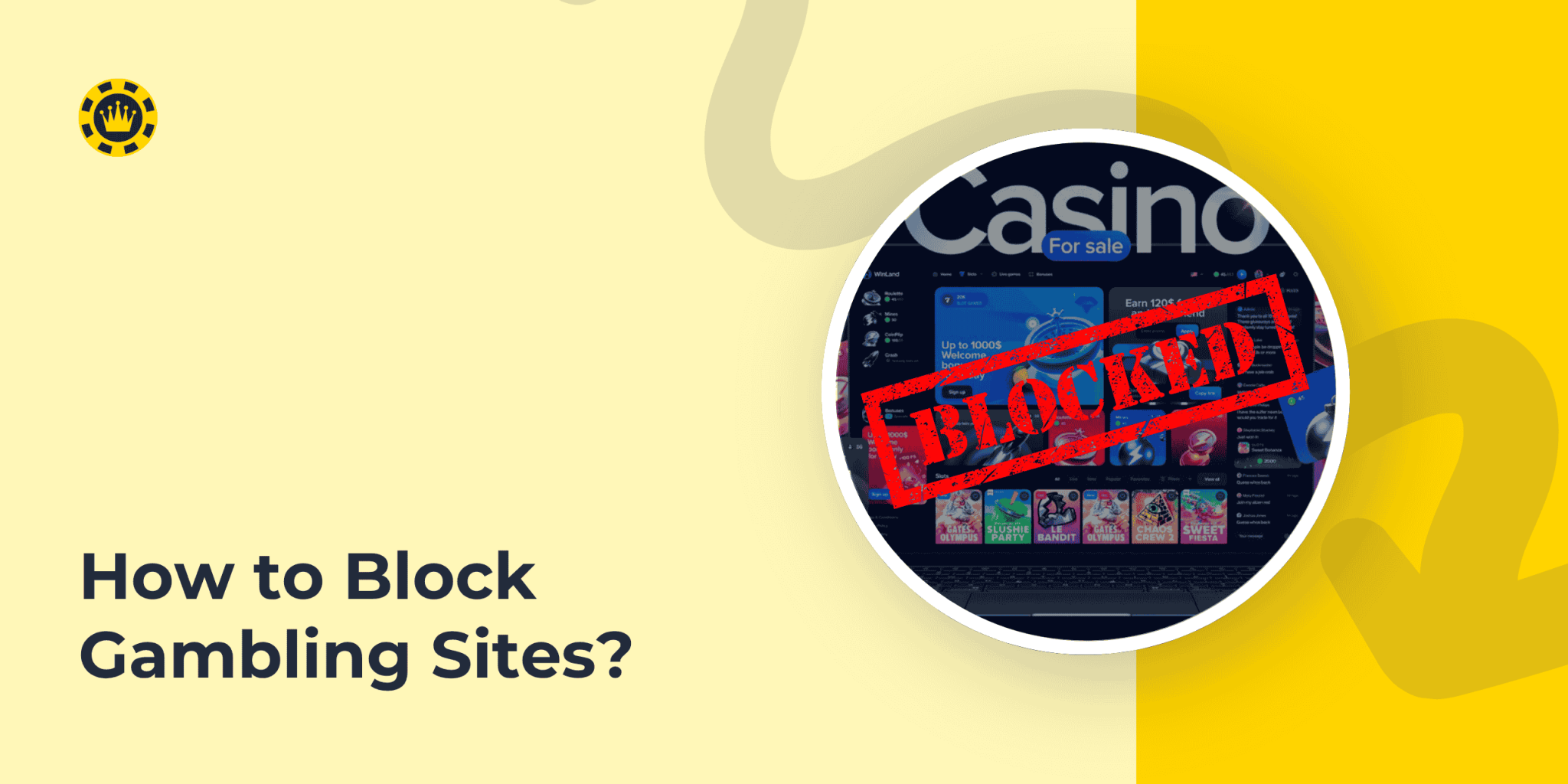
When discussing the landscape of online gambling, it’s crucial to clarify what gambling sites are not. Understanding these distinctions helps players make informed choices while navigating through a plethora of options. First and foremost, online gambling is typically defined by traditional gaming sites that offer well-known games like slots, poker, and sports betting. However, a variety of platforms straddle the line between traditional and non-traditional gambling experiences. For instance, what gambling sites are not on GamStop online casino not covered by GamStop can provide alternatives for those looking to explore outside standard regulations. In this article, we will delve into various types of gambling sites and what they are not.
1. Not All Gambling Sites Are Legal
The easiest distinction to make when evaluating gambling sites is legality. While many established platforms operate within the law, numerous sites are unregulated or operate in jurisdictions where laws are lax or non-existent. These sites may not have the necessary licenses to operate legally, and users may be putting themselves at financial risk by playing on unregulated platforms. It’s vital for players to conduct due diligence before engaging in online gambling to ensure they are playing on legal sites.
2. Not All Sites Offer Fair Games
Another important consideration is the fairness of the games offered. Many sites claim to offer fair odds and random results; however, not all platforms adhere to auditing and transparency practices. Reputable sites will often have their games tested and certified by external auditors to ensure fairness. On the contrary, some sites might employ rigs or software that skews the outcomes in their favor, effectively robbing players of their chances to win fairly. Always look for sites that openly display their audits and certifications.
3. Not All Offer Comprehensive Support
Customer support is a crucial aspect of any online platform, including gambling sites. Traditional gambling sites often have robust customer support systems in place to assist users with their queries and concerns. However, this is not the case for all gambling sites. Many lesser-known platforms may lack adequate support, leaving players frustrated when issues arise. It is advisable to seek sites that provide multiple ways to contact customer service, such as live chat, email, and extensive FAQs.
4. Not Every Site Provides Security
Online security is paramount when engaging in any kind of online activity, and gambling is no exception. Established gambling sites implement high levels of security, including SSL encryption, to protect financial transactions and personal information. However, many less-known sites do not prioritize security, increasing the risk of data breaches. Players should always check for security measures implemented on the site and opt for those with clearly defined policies regarding data protection.
5. Not All Sites Promote Responsible Gambling
Responsible gambling is another area where some gambling sites fall short. Licensed and reputed platforms often promote responsible gambling by providing tools and resources for players to manage their gambling behavior, including deposit limits and self-exclusion options. On the contrary, some sites do not offer such measures, potentially leading players down a path of problematic gambling without offering adequate support. When considering a gambling site, it’s crucial to ensure they advocate for responsible gambling practices.

6. Not All Sites Are User-Friendly
User experience can vary widely among gambling sites. While prominent sites invest in user-friendly interfaces that are easy to navigate, not all platforms share this philosophy. A convoluted site can deter players from engaging or effectively utilizing the site’s offerings. Players should seek out gambling sites that present intuitive designs, seamless navigation, and mobile compatibility to ensure they enjoy their online experience.
7. Not All Sites Cater to Diverse Preferences
Gambling sites can also be categorized based on the range of games and services they provide. Traditional sites usually offer a robust selection of games, from slots and table games to live dealer experiences. Conversely, some sites may focus on niche markets or specific types of games that do not cater to a wider audience. This lack of variety can be disappointing for gamblers seeking different forms of entertainment.
8. Not Every Gambling Site Is a Community
While many gamblers enjoy the social aspects of gaming, some sites lack community features that foster interaction among players. Traditional online casinos often provide chat functions, forums, or social media integration to enhance the player experienc
e. But, many lesser-known sites operate in isolation, missing the chance to create a dynamic gambling environment where players can share experiences, strategies, and outcomes.
Conclusion
Understanding what gambling sites are not is just as important as knowing what they are. Players should always approach online gambling with caution, ensuring they play on legal, fair, secure, and responsible platforms. By recognizing the pitfalls and limitations of various gambling sites, players can make more informed decisions, thereby enhancing their online gambling journey without falling into traps laid by unscrupulous operators.