


Understanding Gambling Sites: What They Are Not
In the ever-evolving landscape of online gambling, it’s crucial to differentiate what gambling sites are and what they are not. Many players are uncertain about the characteristics that define these platforms, leading to misconceptions and misunderstandings. This article aims to clarify the nature of online gambling sites, highlighting the aspects that set them apart from other types of websites and activities. As we explore this topic, we’ll also provide insight into what gambling sites are not on GamStop casinos not using GamStop for those seeking alternative gambling experiences.
The Definition of Gambling Sites
At their core, gambling sites are online platforms where individuals can place bets on various games of chance, such as poker, blackjack, slots, or sports events. However, simply being a site that allows betting does not inherently make it a gambling site. To be classified as a gambling website, certain criteria must be met:
- Regulation and Licensing: Legitimate gambling sites are required to operate under the laws of specific jurisdictions, obtaining the necessary licenses to ensure fair play and consumer protection.
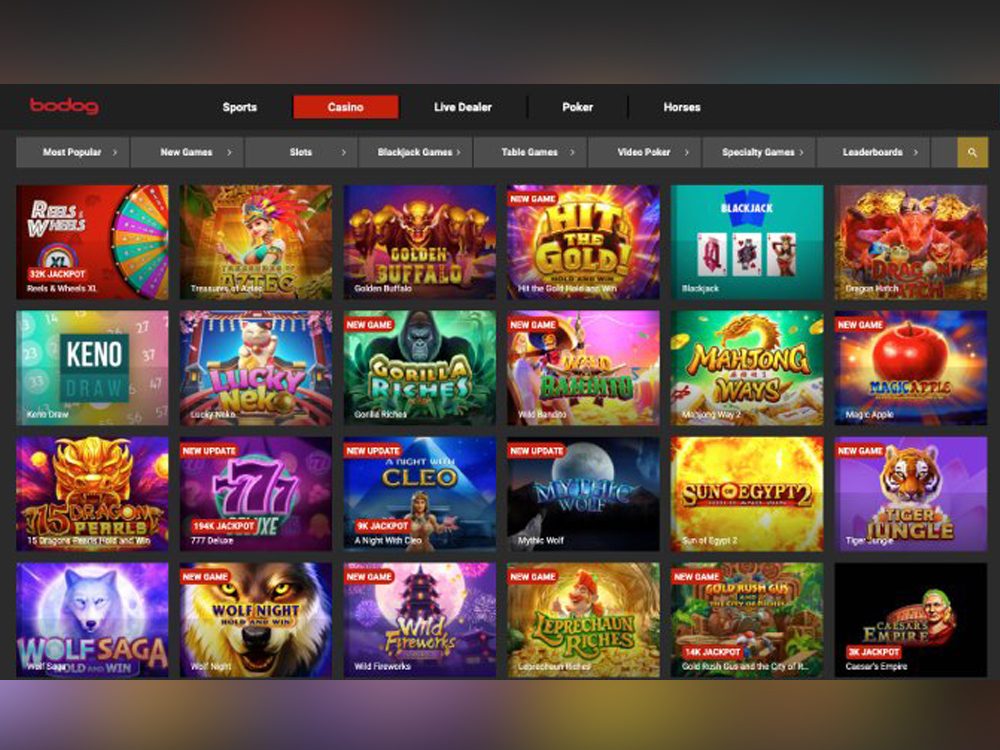
- Range of Games: These sites typically offer a wide array of games, which may include table games, card games, electronic slots, and live dealer options.
- Real Money Transactions: A hallmark of online gambling sites is their ability to process real money transactions. Players can deposit funds, place bets, and, if fortunate, withdraw winnings.
What Gambling Sites Are Not
To better understand what gambling sites are, it’s equally important to know what they are not. Here’s a breakdown of various misconceptions:
1. Not Just Entertainment
While gambling can be entertaining and enjoyable, gambling sites are not solely platforms for entertainment. Many players engage in gambling with the expectation of winning money, which elevates the stakes considerably beyond mere pleasure. This distinction also leads to gambling being considered a serious activity, necessitating responsible gaming practices.
2. Not All-Inclusive Social Networks
Many people might think of gambling sites as social platforms where players can interact freely. However, while certain features may allow for conversation or community building, the primary focus of gambling sites is betting and gambling activities. They are not designed to act as social networks like Facebook or Twitter, which serve a broader purpose beyond gaming.
3. Not a Guaranteed Way to Make Money
There is a pervasive myth that gambling sites provide guaranteed income opportunities. In reality, gambling involves risk and uncertainty—players can and do lose money. Responsible gambling practices emphasize understanding the odds, setting limits, and recognizing that winning is never a certainty. Players should view participation in gambling as a potential risk rather than a surefire income opportunity.
4. Not Just for Experienced Gamblers
While professional gamblers may frequent online casinos, these sites are not exclusive to them. Many platforms cater to novice players, offering tutorials, beginner-friendly games, and practice modes. However, it’s essential to approach gambling with caution, regardless of experience level.
5. Not Always Regulated or Licensed
It’s vital to remember that not all gambling sites are regulated or licensed. Some may operate without proper legal oversight, which can pose significant risks to players. Engaging with unregulated sites can lead to issues surrounding fairness, security, and disputes regarding payments. It’s crucial for players always to verify the licensing status of any gambling site before placing bets.
Safeguarding Your Gambling Experience
Given the misconceptions about what gambling sites represent, players need to follow certain guidelines to ensure a safe and enjoyable experience:
- Research: Investigate any gambling sites before creating an account or making a deposit. Look for player reviews, licensing information, and the site’s reputation in the community.
- Utilize Protection Tools: Many sites offer responsible gambling tools to help players manage their gaming habits. These include deposit limits, self-exclusion options, and time-out features, promoting a safer gambling environment.
- Be Wary of Bonuses: While bonuses and promotions can enhance your gaming experience, ensure you understand the terms and conditions. Many times, bonuses come with wagering requirements that can be difficult to fulfill.
Conclusion
In conclusion, gambling sites play a unique and complex role within the broader context of online entertainment. Understanding what these sites are not is just as important as knowing what they are. As players engage in these platforms, they must remain informed and practice responsible gambling. The regulatory landscape is evolving, and while alternatives like casinos not using GamStop may offer more choices, they also require due diligence and caution. By familiarizing themselves with the nature of gambling sites, players can make informed decisions and enjoy their experiences more fully.