


Nauru Climate Resilience Fund: A Sustainable Investment for the Future
The Nauru Climate Resilience Fund Investment Nauru CBI plays a pivotal role in empowering nations like Nauru to invest in climate resilience, fostering sustainable development amidst growing global climate challenges. As sea levels rise and weather patterns become less predictable, small island nations are uniquely vulnerable. The establishment of the Nauru Climate Resilience Fund (NCRF) signifies a proactive approach in addressing these challenges and ensuring the long-term sustainability of the island’s environment and economy.
The Importance of Climate Resilience
Climate resilience refers to the ability of a system, community, or society to adapt to and recover from climate-related stresses and shocks. For Nauru, this means protecting its infrastructure, natural resources, and livelihoods from the adverse effects of climate change. The NCRF aims to enhance the island’s capacity to manage these risks through strategic investment in infrastructure, sustainable practices, and community-based initiatives.
The Goals of the Nauru Climate Resilience Fund
The primary goals of the NCRF are centered around enhancing Nauru’s resilience against climate change while promoting sustainable economic growth. These goals include:
- Strengthening Infrastructure: Investing in robust infrastructure can safeguard critical assets such as roads, schools, and health facilities from climate impacts.
- Promoting Sustainable Practices: Encouraging sustainable agricultural practices, renewable energy, and waste management systems can reduce vulnerability to climate impacts.
- Building Community Capacity: Engaging local communities in climate resilience planning ensures that solutions are tailored to their specific needs and circumstances.
- Enhancing Environmental Protection: Protecting coral reefs, mangroves, and other critical ecosystems enhances natural defenses against climate impacts.
Investment Strategy
The NCRF’s investment strategy focuses on several key areas to achieve its objectives. This includes:
1. Infrastructure Development
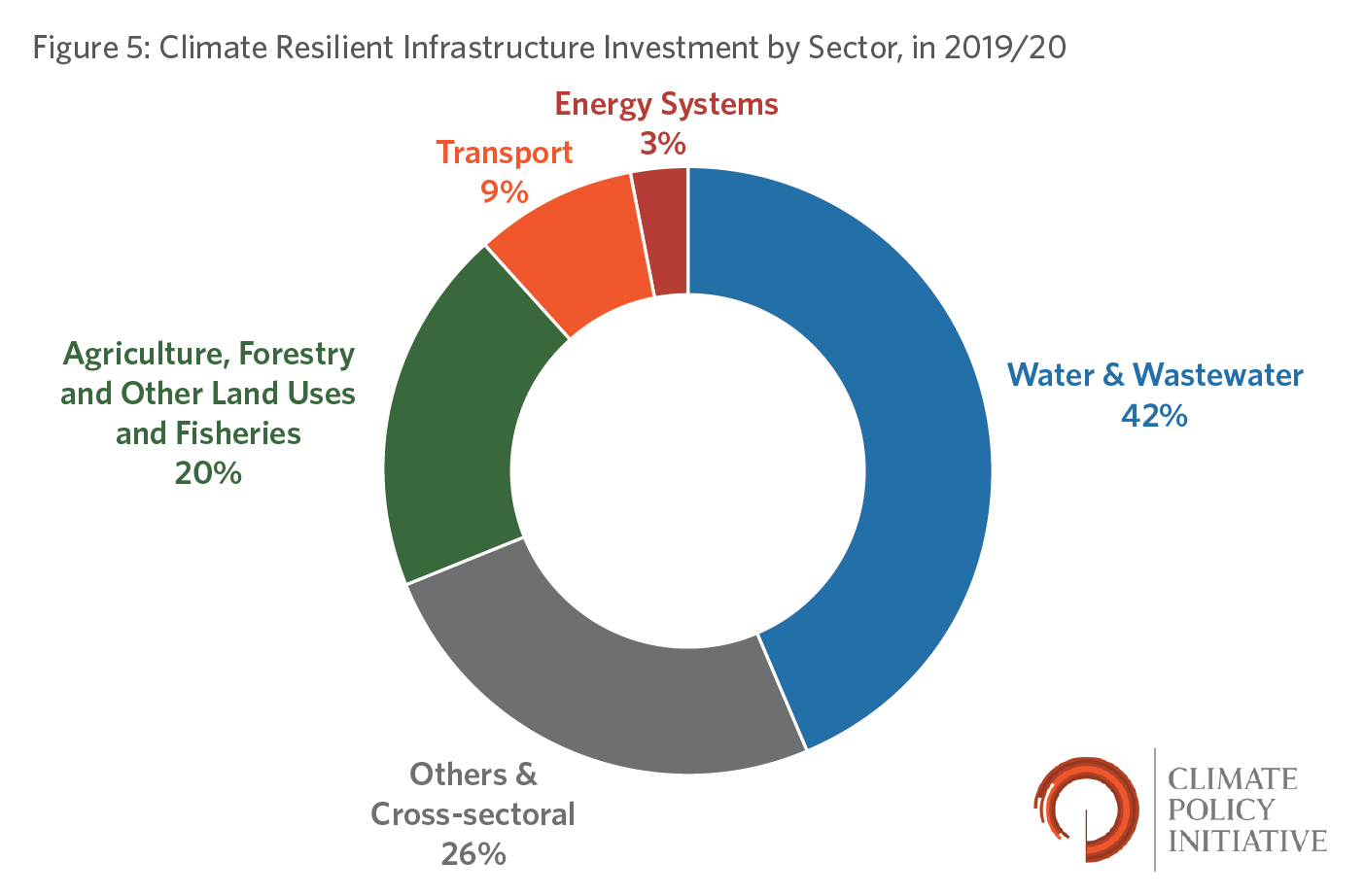
Investing in climate-resilient infrastructure is crucial. This entails the development of storm-resistant buildings, upgrade of transportation systems, and improvement of water supply and management systems. These investments not only protect against immediate climate impacts but also stimulate economic growth by improving access to services and markets.
2. Renewable Energy Initiatives
As a small island nation heavily reliant on imported fossil fuels, transitioning to renewable energy sources is essential. Investments in solar and wind energy can reduce dependency on imports, lower energy costs, and contribute to a more sustainable energy future.
3. Environmental Management Programs
Implementing environmental management programs will safeguard Nauru’s unique ecosystems. Protecting and restoring mangroves and coral reefs can provide natural barriers against storm surges and erosion while supporting biodiversity.

4. Community Engagement
Involving local communities in decision-making processes enhances the effectiveness of resilience-building efforts. Training and educational programs will empower residents to actively participate in climate adaptation and mitigation strategies.
Potential Challenges and Solutions
While the NCRF stands to make significant impacts, several challenges must be addressed:
Funding Limitations
Secure and sustainable funding is crucial for the long-term success of the NCRF. Innovative financing mechanisms, including public-private partnerships and international climate finance, can help fill funding gaps.
Capacity Building
Limited technical expertise in climate resilience planning may hinder project implementation. Investing in training and education for local professionals can build necessary skills and knowledge.
Policy and Governance
Strong governance structures and policies are needed to guide the NCRF’s activities. Establishing clear frameworks and accountability mechanisms will ensure that investments are effectively managed and transparently reported.
The Path Forward
Looking ahead, the success of the Nauru Climate Resilience Fund will depend on collaborative efforts among government, local communities, and international partners. By leveraging diverse expertise and resources, Nauru can build a resilient future capable of withstanding the challenges posed by climate change.
Conclusion
The Nauru Climate Resilience Fund represents not just an investment in infrastructure or economy; it embodies a commitment to safeguarding the island’s future against the inevitabilities of climate change. By embracing resilience as a fundamental principle guiding development, Nauru can chart a course toward sustainable growth that benefits all its residents.
In summary, the NCRF is a beacon of hope for Nauru, showing that through strategic investments, community involvement, and a commitment to sustainability, even the smallest nations can effectively combat the global climate crisis.