


Elvis Presley, known as the King of Rock and Roll, is a cultural icon whose influence transcends mere music. High symbol appearances within his career provide insights into his artistry, public persona, and the societal context of his time. Elvis’s image was carefully crafted, filled with symbols that conveyed power, sexuality, rebellion, and admiration. To explore these high symbols, we delve into various aspects, including his fashion, performances, and public reception. For a deeper understanding of Elvis’s impact, you can also check out High Symbol Appearances In Elvis Frog TrueWays elvisfrogslot.co.nz, a resource for fans and enthusiasts.
1. The Starting Point: Elvis’s Rise to Fame
Elvis emerged in the mid-1950s as a revolutionary figure in the music industry. His blend of rockabilly, rhythm and blues, and country music broke racial barriers, appealing to a diverse audience. Through this innovative approach, Elvis became a symbol of cultural change. His appearances on television—particularly on shows like “The Ed Sullivan Show”—introduced him as a high symbol of youthful rebellion. The way he not only sang but also moved was laden with sexual energy and defiance, garnering both admiration and controversy.
2. Fashion and Style: A Symbolic Armor
Fashion played a critical role in how Elvis presented himself to the world. His signature look—pompadour hairstyle, flashy jumpsuits, and bold accessories—served as a visual representation of power and charisma. Each outfit was laden with meaning, often designed to provoke a reaction. For instance, the iconic rhinestone-studded jumpsuits performed during his Las Vegas residency embodied his star power and showmanship. These outfits symbolized not just Elvis himself, but the entire spectacle of rock and roll during the era.
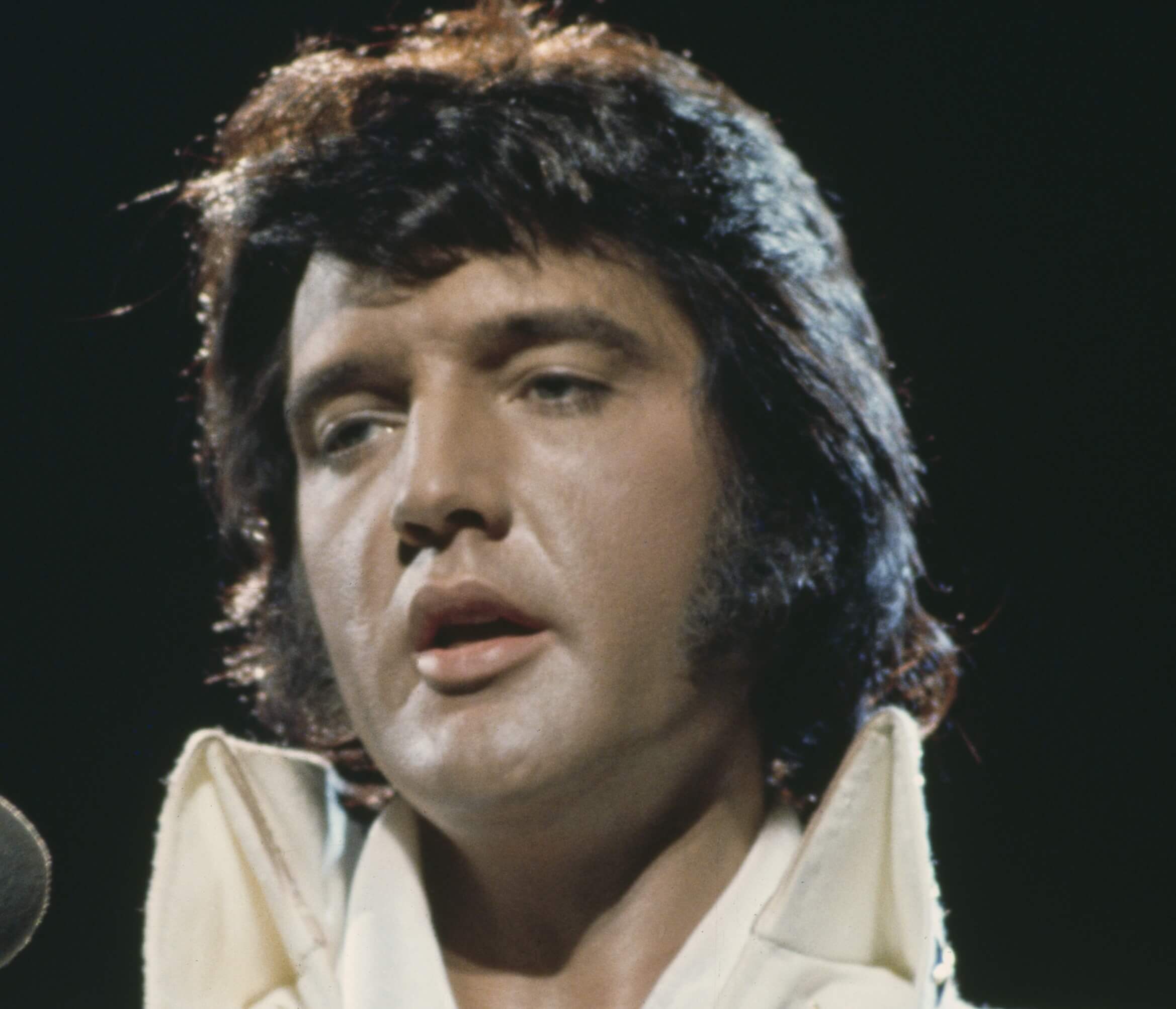
3. Performances: The Language of Symbols
Elvis’s live performances were marked by a unique blend of high-energy movement and emotive vocal delivery. His signature dance moves—the hip gyrations and the intense facial expressions—were high symbols of sexual liberation. During the 1950s and 1960s, such expressions were deemed radical, challenging cultural norms regarding sexuality. Songs like “Jailhouse Rock” and “Hound Dog” employed a high symbol of rebellion, reflecting the societal upheaval of the time. Elvis’s provocative performance style often led to censorship attempts, highlighting the tension between new cultural expressions and conservative values.
4. The Iconic ‘Elvis Look’: A Cultural Thesis
Elvis’s visual identity was not only about personal style; it was an embodiment of the ‘American Dream.’ The clean-cut yet rebellious look paved the way for future rock stars, serving as a reference point for generations. His image—often associated with rebellion against authority—was particularly significant during the Civil Rights Movement, where music became a tool for change and social commentary. The duality in his image, balancing charm and rebellion, made him a high symbol of empowerment and aspiration for many.

5. Imagery in Film: High Symbols on Screen
Elvis starred in over 30 films, many of which featured highly symbolic narratives. Movies like “Jailhouse Rock” and “Blue Hawaii” showcased him in roles that often revolved around themes of love, rebellion, and adventure. The use of symbolism in these films highlighted the tension between Elvis’s public persona and the characters he portrayed. His role as a misunderstood rebel resonated with audiences, reinforcing his status as a cultural icon. The visual styles, set designs, and narratives contributed to the high symbolic nature of Elvis’s cinematic legacy.
6. Elvis’s Religious Symbolism
Elvis had a complex relationship with religion that can be seen as both a personal and artistic theme. Raised in a Christian household, gospel music was a significant part of his upbringing. Songs like “How Great Thou Art” not only showcased his vocal prowess but also reflected his spiritual inclinations. The high symbol of faith, struggle, and redemption became prevalent in many of his later works, indicating a search for meaning beyond fame. This duality highlights the multifaceted nature of his character—rising from humble beginnings to superstar status, yet grounded in his roots.
7. The Legacy of Elvis as a High Symbol
As time has passed, Elvis continues to be a high symbol in popular culture. His influence spans music, fashion, and even social movements. Young artists drawn to his style reflect his lasting impact on music and performance art. Elvis became a reference point for future generations, blending symbols of tradition with the ethos of the counterculture. By analyzing his high symbols, we better understand not just Elvis’s impact, but also the shifts within American culture.
8. Conclusion: The Enduring Symbolism of Elvis Presley
Elvis Presley’s life and work are riddled with high symbols that resonate on multiple levels. From his revolutionary sound and provocative performances to the distinctly American narrative of his life, these symbols encapsulate a period of great change. Understanding Elvis as a complex figure allows us to appreciate the nuances that contributed to his status as a cultural icon. His legacy remains, inspiring artists and fans alike while continuing to symbolize rebellion, aspiration, and the relentless pursuit of identity.